Easy Weight Loss, Motivation, Obesity
Food has never been more processed, more sugary, and more unhealthy than it is today. The current obesity epidemic isn’t just a problem for people who are overweight, but it is also a major problem for all of us.
What is Obesity?
Obesity is a medical condition in which excess body fat has accumulated to the extent that it may have a negative effect on health. Body mass index (BMI) is a measure used to determine whether a person is overweight or obese. A BMI of 30 or more is considered obese, while a BMI of 25-29.9 is considered overweight.
The cause of obesity is complex and involves both genetic and environmental factors. People who are obese are at increased risk for a number of serious health conditions, including heart disease, stroke, type 2 diabetes, and certain types of cancer.
The good news is that obesity can be prevented and treated. Making healthy lifestyle choices, such as eating a healthy diet and getting regular exercise, can help people reach and maintain a healthy weight.
Sugar and High Fructose Corn Syrup (HFCS)
The article ‘Obesity Epidemic: We All Should Be Concerned’ focuses on sugar and HFCS. Sugar is a major contributor to the obesity epidemic, and HFCS is a major source of sugar in the modern diet.
Sugar is a major contributor to the obesity epidemic for several reasons. First, sugar is high in calories and can contribute to weight gain. Second, sugar is addictive and can lead to cravings for more sugar. Third, sugar has been linked to various health problems, such as diabetes, heart disease, and cancer.
HFCS is a major source of sugar in the American diet. HFCS is made from corn syrup, which is high in fructose. Fructose is metabolized differently than other sugars, and it can lead to increased fat storage and insulin resistance. HFCS has been linked to the obesity epidemic, and it is important to be aware of its dangers.
Overconsumption of Carbohydrates and Processed Foods
The obesity epidemic is a global problem that is affecting more and more people every year. In the United States alone, the number of obese adults has doubled since 1980. And the number of obese children has tripled. This epidemic is caused by many factors, but one of the biggest culprits is the overconsumption of carbohydrates and processed foods.
Carbohydrates are found in many different foods, including bread, pasta, rice, potatoes, and cereal. They are also found in sugary drinks like soda and juice. And they are often added to processed foods as well. All of these foods can cause weight gain if they are consumed in excess. And when people consume too much carbohydrates, they are more likely to develop obesity and other chronic health problems.
Processed foods are another big contributor to the obesity epidemic. These foods are often high in calories, fat, and sugar. They can also be very addictive, which makes it hard for people to resist eating them in excess. Processed foods are found in nearly every aisle of the grocery store, which makes them very easy to overconsume.
The Medical Profession is Letting Us Down
We all know that obesity is a major problem in our society. What we don’t always realize is that the medical profession is letting us down when it comes to dealing with this epidemic.
Studies have shown that doctors and other healthcare professionals are often reluctant to talk to their patients about weight issues. They may be afraid of offending them or of being seen as judgmental. But the fact is, if we’re going to tackle this epidemic, we need to start talking about it openly and honestly.
General Practitioners also spend very little time studying nutrition as part of their curriculum to attain their medical degree. It is a curious phenomenon as the majority of the cases they see every day is lifestyle related.
Healthcare professionals need to be more proactive in helping their patients to lose weight. They should be offering advice and support on diet and exercise and referring patients to specialists where necessary. They should also be monitoring their patients’ progress and intervening where necessary.
The bottom line is that the medical profession needs to do more to help us tackle obesity. We all need to be concerned about this issue, and we all need to do our part to help solve the problem.
Science Has Let Us Down
The obesity epidemic is one of the most pressing public health issues facing our country today. And yet, despite all the attention it has received, we are no closer to solving it. In fact, things may be getting worse.
Why is this? Part of the problem is that the science of obesity is being funded by special interest groups. These groups are predominantly the food industry, which only supports the publication of studies that support their products. So, we don’t fully understand all the factors that contribute to weight gain, or how to best treat those who are obese as the messaging coming from the scientific community is biased toward its funders.
This lack of understanding has led to a lot of misinformation about obesity, which only makes the problem harder to solve. For example, there is a popular belief that obesity is simply a matter of eating too much and exercising too little. But the truth is much more complicated than that. The truth lies in what we eat, not how much we eat. What we eat will determine how much we eat and how regularly we eat.
Obesity is a complex condition with many causes, and there is no easy fix. That’s why we need to continue to support research into the causes and treatment of obesity so that we can finally get a handle on this epidemic.
Take responsibility for your health
So what can we do about the obesity epidemic? Well, it’s important to remember that we all have a responsibility to take care of our own health. That means making smart choices about what we eat and how much we exercise. It also means educating ourselves about the risks of obesity and talking to our doctors about ways to stay healthy.
Some people blame the food and beverage industry for creating these problems, but it’s up to each of us to make healthy choices. It’s a fact that obesity has increased dramatically over the past few decades all over the world. And some people have suggested that part of the reason is that we’re eating more and exercising less than our parents did. But there are lots of other things that may be contributing as well.
If you are concerned about the weight of somebody you care for, take the responsibility of researching a sustainable solution online, and don’t just trust anybody with an opinion. Make sure the information you consume come from a credible source. Find people or organizations with a proven record for providing sustainable solutions to weight loss. Be skeptical of all information and use your common sense when researching for the best solution to overcome your problem. Most importantly, implement potential solutions and do what works for you.
Mostly, it takes time to find the right solution to losing weight, but don’t stop experimenting.
I suggest you start off with the people who I trust to give you solid advice on how to beat being overweight.
Weight Loss: Dr Ted Naiman
Fasting: Dr Jason Fung
Your health is in your hands and it’s possible to take back control.
Easy Weight Loss, Low Carb, Protein
Most people are not aware that protein is the most important macronutrient when it comes to weight management and overall health. Protein helps us manage our hunger and it is self-regulating, meaning we don’t eat too much of it. Protein does not damage kidneys as some people think. If you want to learn more about why you should be eating more protein, keep reading!
Why Protein is Important
Protein is an essential part of our diet, but many people don’t consume enough. Here’s why protein is the most important macronutrient and how you can make sure you’re getting enough.
Protein is important for many reasons. It helps build and repair muscle tissue, it aids in satiety and weight loss, and it’s necessary for a healthy immune system. Many people don’t consume enough protein, however, which can lead to health problems.
If you’re looking to increase your protein intake, there are a few things you can do. Eat more high-protein foods like meat, fish, poultry, eggs, dairy, legumes, and nuts. You can also supplement with protein powders or bars. Make sure you’re getting enough protein by talking to your doctor or a registered dietitian.
Types of Protein
Protein is the most important macronutrient that plays a key role in many physiological processes. It is involved in the structure and function of all cells, tissues, and organs. Protein is also a major component of enzymes and hormones. It is also an “essential” macronutrient, which means your body can not manufacture it, you have to ingest protein.
There are four main types of protein: complete, incomplete, animal-based, and plant-based.
Complete proteins contain all nine essential amino acids, which are necessary for the body to perform various functions. Examples of complete proteins include meat, poultry, fish, eggs, and dairy products.
Incomplete proteins lack one or more of the essential amino acids. They are typically found in plant-based foods such as beans, legumes, grains, and nuts.
Animal-based proteins are typically complete proteins, while plant-based proteins are usually incomplete. However, there are some exceptions. For example, quinoa is a plant-based food that contains all nine essential amino acids.
If you’re looking to increase your protein intake, consider adding more of these foods to your diet. Your body will thank you!
Where to Get Protein
There are many sources of protein that you can get from the grocery store. Some good sources of protein include:
Meat: This is a great source of protein and contains all the essential amino acids that your body needs. Choose leaner meats like chicken or turkey breast, and avoid processed meats like lunch meat.
Fish: Fish is a healthy source of protein that is low in saturated fat. Salmon, tuna, and herring are all good choices.
Eggs: Eggs are an excellent source of protein, and contain vitamins and minerals that are important for good health. Choose cage-free or organic eggs when possible.
Beans and legumes: Beans and legumes are a great source of vegetarian protein. lentils, black beans, kidney beans, and chickpeas are all good choices.
Tofu: Tofu is a versatile source of protein that can be used in many different recipes. It is made from soybeans and is high in iron.
Nuts and seeds: Nuts and seeds are a great source of vegetarian protein. Almonds, pistachios, pumpkin seeds, and sunflower seeds are all good choices.
Health Benefits of Eating More Dietary Protein
We all know that protein is essential for building muscle, but did you know that it can also help you lose weight and keep your heart healthy? Here are some reasons why you should make sure to get enough protein in your diet:
1. It Can Help You Lose Weight
If you’re trying to lose weight, adding more protein to your diet can help. Protein takes longer to digest than carbs or fat, so it keeps you feeling fuller longer. Plus, it helps build muscle mass, which burns more calories than fat. So if you want to lose weight, eating more protein is a good place to start.
2. It Keeps Your Heart Healthy
Eating plenty of protein is good for your heart. That’s because it helps lower your blood pressure and cholesterol levels. Protein also helps keep your arteries clear by reducing inflammation. So if you want to keep your heart healthy, make sure to eat enough protein.
3. It Boosts Your Metabolism
Protein gives your metabolism a boost by helping to build muscle mass. Muscle tissue burns more calories than fat tissue, so the more muscle you have, the higher your metabolism will be. Eating plenty of protein will help you build muscle and boost
How much protein is enough?
There is no one-size-fits-all answer to this question, as the amount of protein you need depends on a variety of factors, including your age, activity level, and muscle mass. However, most experts agree that the average person needs between 0.36 and 0.9 grams of protein per pound of body weight. For the metric system users that is 0.8 to 2 grams per kilogram of healthy body weight.
For example, a sedentary 70-year-old woman needs about 48 grams of protein per day, while an active 30-year-old man needs up to 82 grams. Athletes and bodybuilders may need even more.
If you’re not sure how much protein you need, a Registered Dietitian can help you create an individualized plan. In general, though, increasing your protein intake is a good idea. Protein has a number of benefits, including aiding in weight loss and muscle gain, improving performance, and reducing recovery time after exercise.
Conclusion
If you’re not eating enough protein, you’re missing out on some serious health benefits. Protein helps with everything from weight loss to building muscle, and it’s an essential part of a healthy diet. If you’re looking to improve your health, eating more protein is a great place to start.
Fasting
Intermittent fasting (IF) means you go a certain time without eating. It’s been around for many years and is now the most popular way to lose weight, because of its benefits to our health like lowering blood sugar levels and reducing inflammation in our body. In this article, find out all the latest research on fasting and why it might be a healthier choice for you!
What is an Intermittent Fasting Program?
Fasting is an eating pattern where you cycle between periods of eating and fasting. There are a few different ways to do intermittent fasting, but the most common is the 16/8 method, where you fast for 16 hours and eat for 8 hours. Other methods include the 5:2 diet, where you eat normally for 5 days of the week and restrict your calories for 2 days, and the warrior diet, where you eat one large meal at night and fast during the day.
Why does fasting work?
Intermittent fasting is a diet regimen that cycles between periods of fasting and eating. It is a way of eating that has become popular in recent years as a weight loss strategy. But does it really work?
There are a few reasons why fasting might work for weight loss. First, it can help to reduce overall calorie intake. When you fast, you are naturally consuming fewer calories. And when you eat, you may be more mindful of what you are eating and choose healthier options.
Second, fasting can help to boost your metabolism. When you fast, your body goes into “survival mode” and starts to burn stored fat for energy. This can lead to increased weight loss over time.
Third, fasting can help to increase insulin sensitivity. This means that your body is better able to process sugar and use it for energy, which can lead to reduced cravings and improved blood sugar control.
Overall, there is some evidence to suggest that fasting can be an effective strategy for weight loss. If you’re considering trying it, be sure to talk to your doctor first to make sure it’s right for you.
Pros and cons of intermittent fasting?
Intermittent fasting programs are popular dieting trends, but is it really effective? Let’s take a look at the pros and cons of intermittent fasting to see if it’s right for you.
PROS:
1. Fasting can help you lose weight.
2. Fasting can help you manage your hunger levels.
3. Fasting can help improve your insulin sensitivity.
4. Fasting can help you stabilize your blood sugar.
5. Fasting can help you reduce chronic inflammation.
CONS:
1. Fasting can be difficult to stick to long-term.
2. Fasting may not be suitable for everyone.
Fasting as an overall weight loss strategy
Intermittent fasting is a dieting strategy that has been gaining popularity in recent years. The basic premise is that you cycle between periods of fasting and eating. Proponents of intermittent fasting claim that it can help you lose weight, improve your metabolic health, and even extend your lifespan.
But does intermittent fasting really work?
There is some evidence to suggest that intermittent fasting can be an effective weight loss strategy. One study showed that participants who followed an intermittent fasting protocol lost more weight than those who followed a traditional calorie-restricted diet.
Another study found that intermittent fasting can help improve insulin sensitivity, which is a key factor in managing diabetes. And there is also some evidence to suggest that intermittent fasting may help extend your lifespan.
However, it’s important to note that the research on intermittent fasting is still in its early stages. More studies are needed to determine whether or not this dieting strategy is truly effective.
If you’re considering trying intermittent fasting, be sure to speak with your doctor first to make sure it’s safe for you.
How does fasting affect our mental health?
Intermittent fasting is said to have many benefits for our physical health, but what about our mental health? Does it help or hinder our cognitive abilities?
There is some evidence that fasting can help improve mental clarity and focus. One study showed that participants who fasted for 16 hours a day had improved brain function and memory compared to those who didn’t fast. Another study found that fasting may help protect the brain from age-related damage.
However, more research is needed to confirm these effects. Fasting may not be suitable for everyone, and it’s important to speak with a doctor before starting any new diet or fitness regimen.
I want to try intermittent fasting, what should I do?
If you’re thinking about trying fasting, there are a few things you should keep in mind. First, it’s important to talk to your doctor before starting any new diet or fitness regimen, and intermittent fasting is no exception. Once you’ve got the green light from your doctor, you can start planning your fasting schedule.
There are a few different ways to do fasting, so you’ll need to decide which approach is right for you. The most popular method is the 16:8 approach, where you fast for 16 hours and eat only during an 8-hour window. Other common approaches include the 5:2 method (fasting for two days per week), alternate-day fasting, and the warrior diet (eating only one meal per day).
Once you’ve settled on an approach, stick to it as closely as possible. Intermittent fasting requires consistency and discipline in order to be effective. Try to stick to your chosen schedule as much as possible, and don’t cheat by skipping meals or snacking outside of your eating window.
If done correctly, fasting can be a great way to improve your health and lose weight. Just make sure to talk to your doctor first and stay consistent with your
Conclusion
There is a lot of conflicting information out there about intermittent fasting, and it can be tough to figure out what is true and what isn’t. However, the bottom line is that fasting can be a great tool for weight loss if it’s done correctly. There are a few things you need to keep in mind if you’re thinking about trying intermittent fasting, but as long as you do your research and are prepared, it can be a great way to lose weight and improve your overall health.
Inflammation, Low Carb, What To Eat
Food can cause chronic inflammation in the body, which is an inflammatory condition that occurs when the immune system mistakenly attacks healthy tissues as if they were invading microorganisms or foreign substances. These foods should be avoided by anyone who suffers from conditions such as arthritis, gout, and others.
What is inflammation?
Inflammation is a response by the body to protect itself from infection or injury. The process of inflammation involves the release of chemicals and other substances that can cause redness, swelling, and pain. Chronic inflammation occurs when the body’s inflammatory response is activated on a regular basis, even in the absence of an infection or injury. This can lead to long-term damage to the body’s tissues and organs.
There are many different factors that can contribute to chronic inflammation, including diet.
Foods that cause inflammation
Many foods can cause inflammation in the body. Some of the most common offenders are processed foods, sugar, refined carbs, unhealthy fats, and artificial additives. Eating any of these foods on a regular basis can lead to inflammation throughout the body.
Processed foods are full of chemicals and preservatives that can promote inflammation. Sugar is a pro-inflammatory food that can trigger inflammatory responses in the body. Refined carbs like white flour and white rice are also pro-inflammatory, as they cause spikes in blood sugar levels. Here are some of the foods that are most likely to cause or worsen chronic inflammation:
– Refined carbohydrates: White bread, pasta, pastries, etc.
– Trans fats: Margarine, shortening, fried foods, etc.
– Sugar: Table sugar, high fructose corn syrup, agave nectar, etc.
– Artificial additives: MSG, food coloring, artificial sweeteners, etc.
Unhealthy fats, such as trans fats, can also promote inflammation. These types of fats are often found in processed foods and fast food. Artificial additives, such as food dyes and flavorings, can also contribute to inflammation.
If you suffer from chronic inflammation, it’s important to avoid these inflammatory foods as much as possible. Instead, focus on eating anti-inflammatory foods like fruits, vegetables, whole grains, and healthy fats. These types of foods will help to reduce inflammation throughout the body.
Health risks associated with chronic inflammation
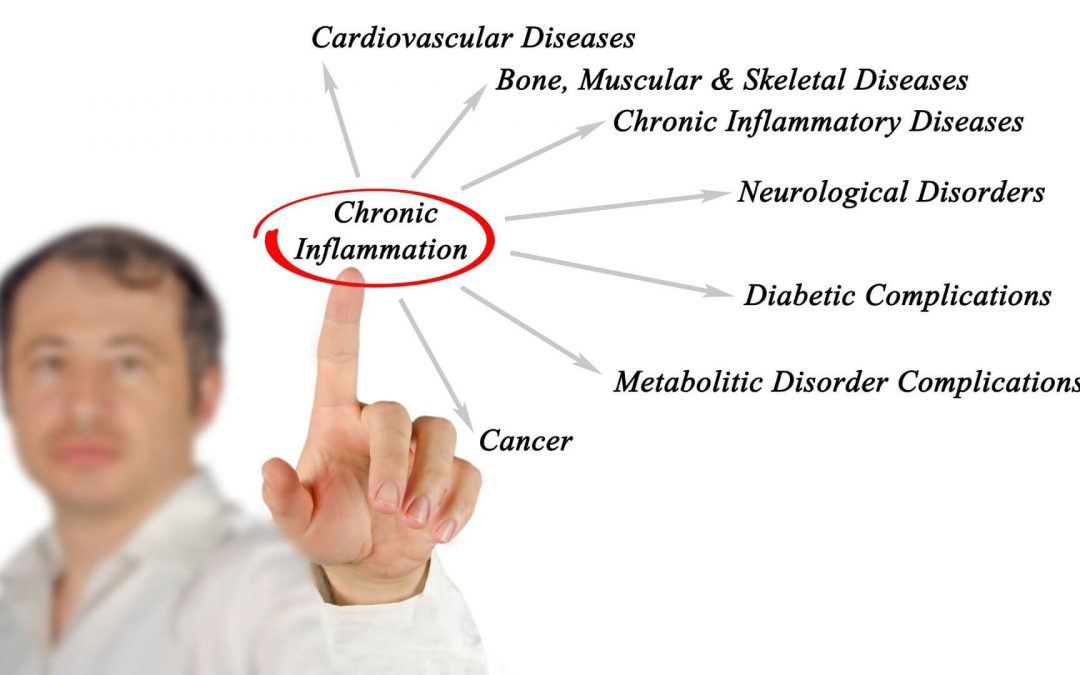
Chronic inflammation is a condition in which the body’s inflammatory response is constantly activated. This can lead to a number of health problems, including:
– Autoimmune diseases
– Joint and tissue damage
– Digestive problems
– Heart disease
– Cancer
Chronic inflammation is one of the leading causes of disease, disability, and death. It’s estimated that chronic inflammation may contribute to:
-At least 80% of all cancers
– Heart disease- Alzheimer’s disease
– Arthritis
– Allergies and asthma
– Various digestive disorders
– Various autoimmune diseases
How to combat inflammation
Chronic inflammation is a major problem in today’s society. There are many foods that can cause chronic inflammation, but there are also ways to combat it.
One way to combat chronic inflammation is to eat an anti-inflammatory diet. This diet includes foods like vegetables and omega-3 fatty acids. These foods help to reduce inflammation in the body.
Another way to combat chronic inflammation is to take supplements. Supplements like turmeric and ginger can help to reduce inflammation in the body.
There are also lifestyle changes that can help to reduce chronic inflammation. Exercise is a great way to reduce inflammation in the body. Stress reduction techniques like yoga and meditation can also help to reduce inflammation.
What exercise to do?
There are many things we can do to reduce chronic inflammation, but one of the best things we can do is exercise. Exercise has been shown to reduce chronic inflammation by helping to regulate the immune system.
There are many different exercises that can help reduce chronic inflammation, but some are more effective than others. Here are a few of the best exercises to try:
1. Yoga: Yoga is a great way to reduce stress and promote relaxation. It can also help to improve flexibility and increase range of motion.
2. Tai chi: Tai chi is a gentle form of martial arts that is known for its calming effects. It can also help improve balance and coordination.
3. Pilates: Pilates is a type of exercise that emphasizes controlled movements and proper alignment. It can help to strengthen the muscles and improve posture.
4. Walking: Walking is a simple, yet effective way to reduce chronic inflammation. It’s low-impact and can be done anywhere, making it perfect for those who are just starting out on their fitness journey.
5. Swimming: Swimming is another great option for those looking for a low-impact workout. It’s also an excellent way to get the heart rate up and burn calories.
Supplements
If you’re looking to reduce inflammation, there are certain supplements you can take that may help. Here are a few of the most popular options:
Turmeric is a spice that contains curcumin, a compound with powerful anti-inflammatory properties.
Omega-3 fatty acids are found in fish oil and can help to reduce inflammation throughout the body.
Ginger is another spice with anti-inflammatory properties. It can be consumed fresh, powdered, or as a supplement.
Green tea is rich in antioxidants and has been shown to reduce inflammation in a number of studies.
These are just a few of the many options available to help reduce inflammation. Talk to your doctor or a registered dietitian to find out which supplements may be right for you.
Conclusion
There are many foods that can cause chronic inflammation, and it’s important to be aware of them so you can avoid them as much as possible. Some of the worst offenders are refined carbs, sugar, trans fats, and processed meats. If you’re struggling with chronic inflammation, make sure to cut out these inflammatory foods and eat more anti-inflammatory foods like vegetables, omega-3 fatty fish, and healthy fats like olive oil. Reduce stress with exercise and taking health supplements.
Easy Weight Loss, Fasting, Low Carb
The purpose of this article is to spread awareness about how a low-carb diet and fasting can help you lose weight. It makes sense when you hear the title that carbs are bad for our health, but it’s difficult to understand why some intermittent fasting plans – like cutting calories for fourteen days – do not effectively lead to weight loss. Learn how different forms of moderation and restricting cravings can lead to a sustainable weight loss regimen by reading this post!
What is Intermittent Fasting?
Intermittent fasting, or IF, is a term that refers to a diet plan where individuals skip meals on a regular basis. Some people follow this type of diet for fitness reasons, while others do it for religious or cultural reasons.
There are several types of intermittent fasting, but the most common is the 16/8 plan. This means you fast for 16 hours every day and eat an 8-hour meal window. Many people believe that this type of fasting helps them lose weight and improve their health. We also endorse this type of fasting as it is sustainable given you are eating correctly.
People who follow an IF regime often report feeling more energetic and clear-headed throughout the day. They also say that their moods have improved and that they don’t feel as hungry when they fast.
There are some important things to keep in mind when following an IF plan, however. If you’re not sure if it’s the right diet for you, talk to us. And make sure to balance your intermittent fasting with healthy foods.
Types of Intermittent Fasting
There are a few different types of intermittent fasting, but all of them have one common goal: to help you lose weight.
Time-restricted eating.
Involves fasting every day for 12 hours or longer and eating in the remaining hours. A popular example is the 16/8 method. It features a daily 16-hour fast and an 8-hour eating window wherein you can fit in 2, 3, or more meals.
The 5:2 diet.
The 5:2 diet involves eating as you normally do 5 days of the week and restricting your calorie intake to 500–600 on the remaining 2 days.
Eat Stop Eat.
Eat Stop Eat involves a 24-hour fast once or twice per week.
Alternate-day fasting.
With alternate-day fasting, the goal is to fast every other day.
The Warrior Diet.
The Warrior Diet was among the first popular diets to include a form of intermittent fasting. It involves eating small amounts of raw fruits and vegetables during the day and eating one large meal at night.
We recommend the 16/8 method of IF as it has been proven to be the most sustainable form of fasting.
Nutrition on an Intermittent Fast
Fasting is a great way to optimize your health, lose weight, and improve your overall fitness. A low-carb diet, on the other hand, can help you drop pounds quickly by promoting healthy fats and proteins. When combined, these two approaches can help you reach your fitness goals faster.
To lose weight on an intermittent fast, make sure to focus on healthy eating habits and limit processed foods and sugary drinks. Be sure to consume adequate amounts of protein, fat, and fiber to support your overall nutritional needs. Eat plenty of vegetables to provide essential antioxidants and vitamins. Additionally, avoid eating large meals or snacks throughout the day. This will help maintain steady blood sugar levels and prevent damaging cravings that can lead to overeating later on in the day.
If you are not used to fasting or have concerns about how it will affect your health, we recommend consulting with a health professional before beginning any type of fast.
Pros of an Intermittent Fast
1. It can help you lose weight in a healthy manner.
2. It is an extremely efficient way to burn calories.
3. It can help improve your mood and increase your energy levels.
4. The fasting cycle can help you improve your digestive system.
5. It can also improve your overall health in general.
6. Intermittent fasting is not as hard as you may think it is, and you can achieve great results if you follow the right guidelines.
7. There are many different types of intermittent fasting, so you can find one that is best suited to your needs.
8. You do not have to suffer through long periods of starvation or excessive calorie restriction to see weight loss benefits from intermittent fasting; in fact, the opposite is often true.
9. If followed correctly, intermittent fasting can be an extremely efficient way to lose weight without having to diet or exercise excessively.
What is low-carb?
Low-carb is a type of diet that involves eating fewer carbohydrates. This means that you’ll consume mostly proteins, fats, and vegetables. There are different types of low-carb, but the most common is the keto diet. When following a low-carbohydrate diet, your body will start using stored fat for energy instead of carbs. This can help you lose weight fast because it causes your body to burn more calories.
Conclusion:
With a low carbohydrate diet, you can lose fat mass, increase your energy levels, prevent disease and keep yourself healthy for a long time
For a long time, people have believed that a low carbohydrate diet is the best option for weight loss and preventing disease. However, recent studies have shown that a low carbohydrate diet can also cause other positive effects such as increasing your energy levels and preventing disease. In fact, a study published in the Journal of Diabetes Research showed that people who followed a low-carbohydrate diet lost more weight and experienced less inflammation than those who maintained their regular diets. These findings suggest that following a low-carbohydrate diet can be an effective way to maintain your health and reduce your waistline.