Implementing an Intermittent Fasting Program is a method of dieting that alternates between periods of eating and fasting. This cycle can be as short as 12 hours or as long as 36 hours and it has been used by people to lose weight, get blood sugar levels under control, and increase autophagy.
What is Intermittent Fasting?
Intermittent fasting is an eating pattern that cycles between periods of fasting and eating. It doesn’t specify which foods you should eat but rather when you should eat them. In this way, it’s more of a way of eating than a diet.
There are many different ways to do an intermittent fasting program, but the most common is the 16/8 method. This involves fasting for 16 hours each day and eating only during an 8-hour window. For example, you could stop eating at 8 p.m. one night and not eat again until noon the next day. This would be a 16-hour fast. Then, you would eat from noon to 8 p.m., giving you an 8-hour eating window.
You can tailor the 16/8 method to fit your own schedule and preferences. For instance, some people choose to skip breakfast and only eat from noon to 8 p.m., while others may stop eating at 6 p.m. one night and not eat again until noon the next day (a 20-hour fast). It’s important to note that there’s no ‘right’ or ‘wrong’ way to do intermittent fasting – it’s whatever works best for you and your
How does it work?
When you fast, your body is forced to use stored energy, which means it will burn calories. In addition, fasting can help to regulate blood sugar levels, which is beneficial for people with diabetes. Lastly, fasting has been shown to improve brain function and protect against age-related cognitive decline.
When should you do an intermittent fasting program?
If you’re interested in trying intermittent fasting, it’s important to know when to do it. One common approach is to fast for 16 hours and eat for 8 hours. This can be done by skipping breakfast and eating lunch and dinner. Another approach is to fast for 24 hours once or twice a week. This means not eating from dinner one day until dinner the next day.
Why are there benefits to intermittent fasting?
Intermittent fasting programs have become a popular way to lose weight, improve diabetes control, and possibly even boost brain health.
There are several reasons why intermittent fasting may help with weight loss.
First, when you fast, your body is forced to break down stored fats for energy. This process can lead to weight loss.
Second, intermittent fasting can help reduce insulin resistance. Insulin resistance is a major factor in obesity and type 2 diabetes. When you fast, your body doesn’t need to produce as much insulin to keep your blood sugar levels stable. This can lead to improved blood sugar control and weight loss.
Lastly, intermittent fasting may boost brain health. Studies have shown that intermittent fasting can increase levels of a brain-derived neurotrophic factor (BDNF). BDNF is a protein that helps promote the growth and development of new nerve cells. This boost in BDNF levels may help protect the brain against age-related cognitive decline and Alzheimer’s disease.
What can you eat on an intermittent fasting diet?
There are a lot of benefits to intermittent fasting, including weight loss, improved insulin sensitivity, and increased brain function. But what can you eat on an intermittent fasting diet?
Generally, you can eat anything you want during the eating window. However, it’s best to stick to healthy, whole foods that will help you reach your goals. That means plenty of lean protein, vegetables, and healthy fats.
If you’re trying to lose weight, you’ll want to focus on creating a calorie deficit. That means eating fewer calories than you burn each day. To do that, you may need to cut back on some of the less healthy foods you normally eat, such as processed snacks or sugary drinks.
If you’re trying to improve your insulin sensitivity or manage diabetes, you’ll want to focus on eating foods that are low on the glycemic index. That means choosing foods that don’t cause spikes in blood sugar levels. Good choices include vegetables and proteins like fish and chicken.
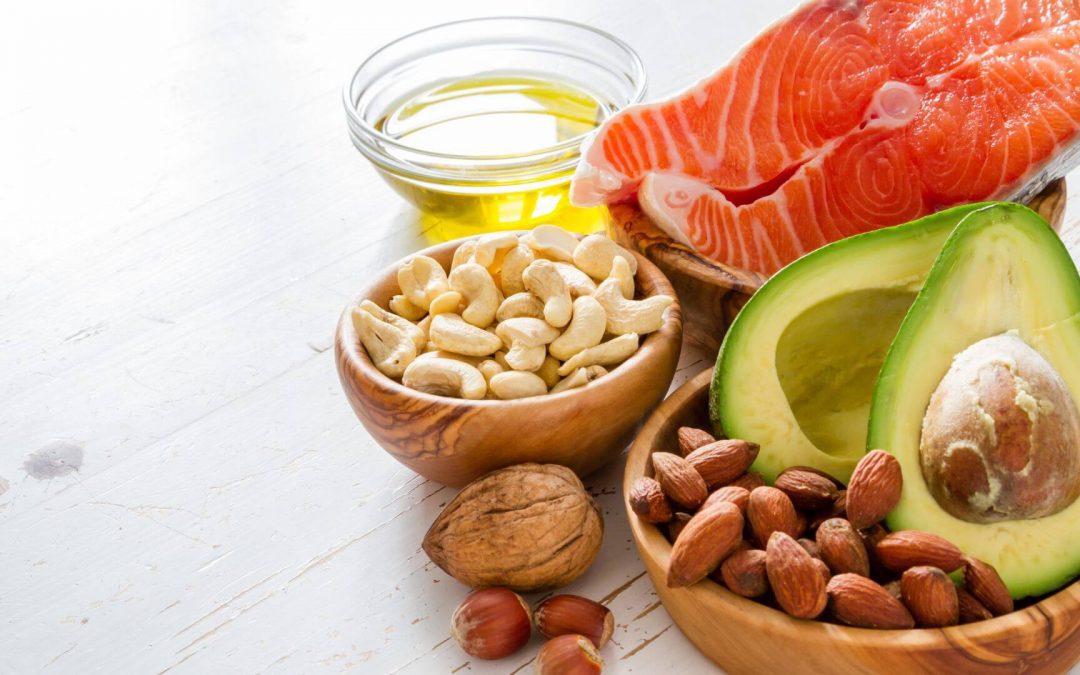
And if you’re looking to boost your brain function, you’ll want to make sure you’re getting plenty of healthy fats and antioxidants. Good sources of healthy fats include nuts, seeds, and avocado.
Is Intermittent Fasting safe for everyone and how do I know if I’m doing it wrong?
There’s a lot of debate about whether or not intermittent fasting is safe for everyone. Some people argue that it’s not safe for people with diabetes or other health conditions, while others say that it’s perfectly safe as long as you’re doing it correctly. So, how do you know if you’re doing it wrong?
First of all, it’s important to talk to your doctor before starting any new diet or exercise regimen, including intermittent fasting. They can help you determine if it’s safe for you and give you tips on how to do it correctly.
Generally speaking, though, as long as you’re eating healthy foods and not going too long without eating, you should be fine. Listen to your body and make sure you’re getting enough nutrition. If you start feeling faint or dizzy, stop fasting and eat something immediately.
Intermittent fasting can be a great way to improve your health, but make sure you do it safely. Talk to your doctor and listen to your body to make sure you’re doing it right.
How can intermittent fasting help improve your diabetes and brain health?
There are many benefits of fasting, but how can it help improve your diabetes and brain health specifically? Intermittent fasting has been shown to be an effective way to manage diabetes and improve brain health.
Fasting can help improve your diabetes by regulating your blood sugar levels. When you fast, your body is better able to use insulin, which helps to regulate your blood sugar levels. This can lead to improved blood sugar control and a reduction in the risk of diabetic complications.
Fasting has also been shown to be beneficial for brain health. Fasting can help improve cognitive function and protect the brain against age-related decline. It has also been shown to reduce the risk of Alzheimer’s disease and other forms of dementia.
So, if you’re looking for ways to improve your diabetes and brain health, intermittent fasting may be a good option for you.
Conclusion
If you’re looking to improve your health in a variety of ways, fasting may be something worth considering. From weight loss and improved insulin sensitivity to reduced inflammation and better brain health, there are many potential benefits to fasting. Of course, it’s important to speak with your doctor before making any major changes to your diet or lifestyle, but if you’re interested in trying something new to boost your health, fasting could be a great option.
Diabetes is a condition that many people are living with. One of the major side effects of diabetes is fluctuations in blood sugar levels, which can lead to serious health issues if not closely monitored. To keep your sugars on an even keel, it’s important to check on them regularly and take steps like eating low-carb foods to keep them from getting too high or too low.
What is diabetes?
Diabetes is a chronic condition that affects the way your body metabolizes sugar. When you have diabetes, your body either doesn’t make enough insulin or can’t use its own insulin as well as it should. This causes sugar to build up in your blood instead of being used for energy.
Over time, high blood sugar can damage your nerves, blood vessels, and organs. It can also lead to serious health problems, such as heart disease, stroke, and kidney disease. That’s why controlling your blood sugar is so important if you have diabetes.
There are two main types of diabetes: type 1 and type 2. Type 1 diabetes is usually diagnosed in children and young adults. With type 1 diabetes, your body doesn’t make insulin. Type 2 diabetes is the most common form of diabetes. With type 2 diabetes, your body doesn’t make or use insulin well.
You can control your blood sugar with diet, exercise, and medication. By keeping your blood sugar under control, you can prevent or delay the complications of diabetes.
Diabetes management
If you’re diabetic, it’s important to keep your blood sugar under control. Here are some tips for managing your diabetes and keeping your blood sugar levels in check.
– Eat a healthy diet. Eating healthy foods can help you control your blood sugar levels. Stick to foods that are low in sugar and carbohydrates, and include plenty of fruits, vegetables, and lean protein in your diet.
– Get regular exercise. Exercise can help you manage your diabetes by helping to control your blood sugar levels. Try to get at least 30 minutes of exercise every day.
– Monitor your blood sugar levels regularly. Checking your blood sugar levels can help you see how well your diabetes management plan is working. Check your levels before meals and at bedtime, and keep track of the results so you can adjust your plan as needed.
– Take your medication as prescribed. If you’re taking insulin or other diabetes medications, be sure to take them as prescribed by your doctor. Taking your medication as directed can help you control your blood sugar levels and prevent complications from diabetes.
Benefits of a low-carb diet
If you’re diabetic, you know how important it is to control your blood sugar. And one of the best ways to do that is by following a low-carb diet.
A low-carb diet can help you lose weight, lower your blood sugar, and improve your insulin sensitivity. all of which can help you better control your diabetes.
In addition, a low-carb diet is often easier to stick to than a traditional diabetes diet because it allows you to eat many of the foods you love, like meat, cheese, and eggs.
So if you’re looking for a way to better control your diabetes, a low-carb diet may be the way to go.
How to monitor your blood glucose levels
If you’re diabetic, it’s important to monitor your blood glucose levels. There are a few different ways to do this.
One way is to use a glucose meter. A glucose meter is a small device that you can carry with you. You prick your finger and put a drop of blood on a test strip, which you insert into the meter. The meter then gives you a reading of your blood glucose level.
Another way to monitor your blood glucose levels is to keep a logbook. In your logbook, you record your readings from your glucose meter as well as other information such as what you ate and how much insulin you took (if any). This can help you and your healthcare team see patterns in your blood sugar levels and make adjustments to your treatment plan if necessary.
Finally, many people with diabetes use an app on their smartphone or another device to track their blood sugar levels. There are many different apps available, so it’s important to find one that works well for you and that you’re comfortable using.
Whichever method you choose, monitoring your blood sugar levels is an important part of managing your diabetes.
Conclusion
If you have diabetes, it’s important to keep your blood sugar levels in check. High blood sugar can lead to serious health problems, so it’s crucial that you take steps to control it. There are a few different ways to do this, and the best method for you will depend on your individual situation. However, some common methods include diet and exercise, medication, and monitoring your blood sugar levels regularly. By taking these steps, you can help keep your blood sugar under control and improve your overall health.
Type 2 diabetes is a growing epidemic in the United States. According to the Centers for Disease Control and Prevention, over 30 million Americans have the disease. While medications can help manage blood sugar levels, they don’t always address the underlying cause of the disease: insulin resistance. But there is good news! A growing body of evidence shows that a low-carb diet can improve insulin sensitivity and lead to lasting remission of type 2 diabetes. In other words, reverse type 2 diabetes with a low-carb diet.
What is Type 2 Diabetes?
Type 2 diabetes is a chronic condition that occurs when your body doesn’t produce enough insulin or your cells are unable to process insulin properly. This can lead to high blood sugar levels.
Type 2 diabetes is the most common form of diabetes, and it usually begins in adulthood. However, more and more children and adolescents are being diagnosed with type 2 diabetes.
There are a number of risk factors for type 2 diabetes, including obesity, family history, age, and sedentary lifestyle. A low-carb diet can help you reverse type 2 diabetes by improving your insulin sensitivity and reducing your blood sugar levels.
A low-carb diet is a safe and effective way to treat type 2 diabetes. It can help you lose weight, lower your blood sugar levels, and improve your insulin sensitivity.
Carbohydrates and Sugar Causes Blood Glucose Elevation
1. Carbohydrates and sugar cause blood glucose levels to rise. When this happens, the pancreas releases insulin to help move the glucose into cells for energy. However, if there are too many carbohydrates and sugars in the diet, the cells can become insulin resistant. This means that the pancreas has to work harder to release more insulin, and eventually, it can’t keep up. This can lead to type 2 diabetes.
2. A low-carb diet can help reverse type 2 diabetes. By reducing the number of carbohydrates and sugar in the diet, blood glucose levels can be lowered. This can make it easier for the pancreas to produce insulin and help move glucose into cells for energy.
3. There are many benefits to following a low-carb diet. In addition to helping reverse type 2 diabetes, a low-carb diet can also help with weight loss, lower blood pressure, and improve cholesterol levels.
How Blood Glucose Raises Insulin
When you eat foods that contain carbohydrates, your body breaks them down into sugar (glucose) and releases them into your bloodstream. As blood sugar levels rise, your pancreas produces insulin. Insulin is a hormone that helps glucose get into your cells to give them energy.
If you have type 2 diabetes, your cells don’t respond properly to insulin and can’t use it as effectively. This causes your blood sugar levels to rise. Over time, this can damage your eyes, kidneys, nerves, and heart.
Low-Carb Lowers Blood Glucose
A low-carb diet can help to reverse type 2 diabetes. This is because a low-carb diet lowers blood glucose levels. When blood glucose levels are lowered, the body does not need to produce as much insulin. This can help to reverse insulin resistance, which is a key factor in type 2 diabetes.
A low-carb diet can also help to promote weight loss. When people lose weight, they are more likely to reverse their type 2 diabetes. Weight loss can also help to lower blood glucose levels and improve insulin sensitivity.
There are many different ways to follow a low-carb diet. Some people choose to eat a ketogenic diet, while others simply reduce their carbohydrate intake. Regardless of the approach you take, a low-carb diet can have significant benefits for those with type 2 diabetes.
Intermittent Fasting Lowers Blood Glucose and Insulin Levels
Intermittent fasting is a great way to lower blood glucose and insulin levels. When you fast, your body is able to burn through stored glucose and use it for energy. This helps to keep blood sugar levels stable and prevents spikes in insulin levels.
Intermittent fasting can be done in a number of ways. Some people choose to fast for 12 hours every day, while others may only fast for 24 hours once or twice per week. No matter how you do it, intermittent fasting is an effective way to reverse type 2 diabetes.
If you are interested in trying intermittent fasting, talk to us first. We can help you create a plan that is safe for you and will help you see the best results.
Exercise and Lowering Insulin
1. Exercise and Lowering Insulin
One of the best ways to reverse type 2 diabetes is to exercise and lower insulin levels. When you exercise, your body becomes more sensitive to insulin. This means that your body can use insulin more effectively. As a result, your blood sugar levels will be lower.
In addition, when you exercise, you also burn off some of the sugar that is stored in your liver. This helps to lower your blood sugar levels even further.
2. Eating a Low-Carb Diet
Eating a low-carb diet is another great way to reverse type 2 diabetes. When you eat fewer carbs, your body doesn’t need as much insulin to process the food. This helps to lower your blood sugar levels.
A low-carb diet also helps to reduce the amount of fat stored in your liver. This is important because a build-up of fat in the liver can make it harder for your body to process insulin properly.
3. Losing Weight
Losing weight is another key factor in reversing type 2 diabetes. When you lose weight, your body becomes more sensitive to insulin. This helps to lower your blood sugar levels.
The success of Low-Carb to Treat Type 2 Diabetes
A low-carbohydrate diet is an effective way to reverse type 2 diabetes.
In a study of people with type 2 diabetes, those who followed a low-carbohydrate diet for one year were able to put their diabetes into remission. In fact, they were even able to stop taking their diabetes medication.
Low-carbohydrate diets are also effective in managing type 2 diabetes. In a study of people with type 2 diabetes, those who followed a low-carbohydrate diet for two years had better blood sugar control and less need for medication than those who followed a standard diet.
If you have type 2 diabetes, talk to us about whether a low-carbohydrate diet is right for you.
We all want to adopt better habits, habits that serve our purpose. So, how do we get to put in place successful habits? You establish a routine.
We have found with 16-hrs For Life and the many people having success through our program a golden thread. Those who develop and maintain a strong routine also get to put in place the habits which serve them for life.
Ask yourself: “Does my morning routine serve me?” “Do I have a strong evening routine”
Routines turn into habits.
Habits aligned with your goals make for effective living.
Think of body fat as “potential energy.” Calories, which you consume through the food you eat, are fuel. Once these calories make it into your bloodstream, your body burns the calories. Your muscles, digestion, breathing, brain function, growing hair, etc. Basic being-alive stuff. Now, sometimes we consume more calories than our bodies are prepared to burn. When that happens our bodies say, “I don’t need all this energy right now. I’d better save it, in case I need it later.” And so the miracle of fat begins.
Your body then takes these free calories and packages them into cells of fat. So, if calories are car fuel, think of fat cells as rubber balloons filled with car fuel. They expand as they collect more fuel, and they shrink when you use some of the fuel. It undergoes a chemical conversion so that it stores the energy more efficiently. It’s kinda like a .ZIP file; it makes the energy more compact and storable, but makes the content itself harder to access. When it’s time to pull some energy out of the cells, another chemical conversion takes place to turn it back into usable energy.
The Burn
So, when you lose fat, where does it go? Most people don’t really know. Just like your car’s engine turns fuel into heat and exhaust, your body utilizes a similar process. The mitochondria (cellular energy centers) in your muscle or liver cells pull some of the fat (stored as triglycerides) from within your fat cells and put it through a metabolic process. This converts the fat into heat, carbon dioxide, water, and ATP (adenosine triphosphate). Let’s break those down. Heat: You know how you, being a warm-blooded mammal, keep your body temperature right around 36.5 degrees Celsius pretty much all the time? Your body does this by burning calories. When you’re cold, you burn more calories to keep yourself warm. ATP: We need ATP for muscle function. Our primary source of immediate energy is produced when we break a phosphate molecule off the ATP. It makes a little explosion of available power in your muscles. Then it becomes ADP, and it can’t be used again until it picks up another phosphate molecule. It carries fuel to your muscles. Carbon Dioxide: Whenever you burn anything (see heat, above), it gives off carbon dioxide. It’s true with fuel, and it’s true with body fat. The carbon dioxide will travel through your bloodstream until it returns to your lungs to be exhaled out. Water: Fat typically feels kinda wet to the touch, right? That’s because there’s some water in it. You’ll pee it out. So that’s where the weight actually goes when you lose it.
The Bad
Remember how we said fat cells were like balloons? When you lose weight, you are letting some of the stuff out of the inflated balloons, thus shrinking the fat cells. You can shrink them until they’re practically empty, but they will always be there—waiting to be refilled.
More bad news: Fat loves to hang out with more fat. Because fat and muscle are enemies (we’ll get to that in a minute), your fat cells are trying to erode your muscle cells. Worse, while most fat resides under your skin, the more dangerous fat actually accumulates around your internal organs (this is why belly fat is more medically problematic than fat in other areas). This fat, called visceral fat, is metabolically active, and it secretes biochemicals that increase your risk of heart attack, stroke, liver failure, diabetes, and high blood pressure. Additionally, visceral fat inhibits a very important hormone called adiponectin, which regulates metabolism in your body. In other words, the more visceral fat you take on, the slower your metabolism will be, and so the more easily you take on more fat. It’s a tough cycle to break
Fat cells store a variety of useful nutrients
What do fat cells store?
If cells were personified, each fat cell would be an overbearing grandparent who hoards. They’re constantly trying to make you eat another serving of potatoes, and have cabinets stacked with vitamins they never take. Like that grandparent, your fat cells are always trying to store stuff. Fats, Vitamins, Hormones? You bet. Random pollutants and toxins? Sure. Adipose tissue will soak all that up like an oily little sponge and keep it safe until you need it again. That’s the whole point of body fat—to store energy for you. When you lose weight, your fat cells start shrinking, releasing lipids and other fats into your bloodstream. These get broken down, and the smaller molecules exit via your urine or breath.
But adipose cells release all the other molecules they’ve hoarded, too. Including key hormones like estrogen, along with fat-soluble vitamins and any organic pollutants, that found their way into your bloodstream as you gained weight. Adipose tissue’s tendency to store things is an unfortunate side-effect, because often we need those things to be circulating, not sitting around. Take hormones, for instance. Female body fat actually produces some of its own estrogens in addition to storing it. The more adipose tissue a person has, the more estrogen they’re exposed to. This is why being overweight puts you at an increased risk of getting breast cancer. Many types of breast cancer are caused by malfunctions in estrogen receptors, which are more likely to go haywire when more estrogen is around to stimulate them.
Vitamins pose the opposite problem. Adipose sucks up available fat-soluble vitamins—A, D, E, and K—and often doesn’t leave enough for the rest of your body. Studies suggest that obese people tend to suffer from vitamin D deficiencies because it’s all lurking in their adipose tissue. These vitamins can come back out as you lose weight, and as you decrease your body fat, you also allow more of your new vitamin D to stay in your bloodstream.
Fat is also a safe space to store pollutants and other organic chemicals that might otherwise pose a threat. Organochlorine pesticides build up in fat. So do the polychlorinated biphenyls in coolant fluids and other chemicals of environmental contaminants. These banned chemicals can get into your food supply in small quantities. They are stored in your fat, possibly because your body wants to sequester them away from your organs. Bodies don’t seem to store enough of these to become toxic, but the constant build-up leaves you vulnerable to exposure. And they do start to re-emerge when you lose weight. Since you’re not eliminating all your body fat at once, this doesn’t seem to pose a problem for most people. You’re dumping toxins into your bloodstream, but you’re also eliminating them through your pee. There’s some evidence that certain pollutants can stick around in your body fat for years. So far it seems that natural toxin-elimination methods (also known as peeing) work well enough to get rid of them.
Safe or not, it’s best not to give your body a spot to stash all the hormones and vitamins it can hoard. Our bodies aren’t designed to hold onto excess body fat and stay healthy—that’s why obesity is a risk factor for so many diseases. Getting rid of fat storage is just another reason to try and cut down on your own adiposity this year. Letting someone shame you into thinking you don’t look the way you should is not a wise reason to lose weight, but doing it to be healthier usually is. Just think every time you lose a kilogram of fat, you’ve also detoxed yourself without ever having to do one of those terrible juice cleanses (which, by the way, do not work). You’ve used the power of your own body’s filtration systems to get rid of them—and it will thank you for it.
Calories In vs Calories Out?
Body fat is stored calories, so, the widely-known broad-stroke method for losing weight is this: Make sure you are burning more calories than you are taking in. Do that and your body will begin to pull those calories out of your fat reserves. There’s a significant amount of nuance, but for the most part, that’s true. But how exactly are those calories burned?
Metabolism
There are three categories of processes responsible for you metabolic burn. 60 to 70 percent of the calories you burn in a given day are burnt just by being alive. That’s with no movement at all. It’s called basal metabolic rate (BMR). Another 10 to 15 percent is accomplished by the simple act of digesting your food. That’s between 70 and 85 percent—without so much as lifting a finger. That last 15 to 30 percent comes from physical activity. What’s the takeaway? 60 to 70 percent of your caloric burn comes from your resting metabolism. Doesn’t it make sense to start with the biggest piece of the puzzle? It does! How can we turn up the internal flame of our metabolism? The simplest answer is by adding muscle. Muscle tissue, at rest, burns two to three times more calories than fat tissue does. If fat burning is your goal, then weight-bearing, muscle-building exercises will likely yield better results than cardio. Not because it burns more calories while you’re working out. Because it turns up your metabolic flame so that it burns more calories all the time.
Nutrition
Remember, 10 to 15 percent of your metabolic burn comes just from digesting food. If you want to push that higher you can add more lean protein to the mix. Digesting protein burns two to three times as many calories as digesting carbohydrates or fat. Any calories consumed (be they from protein, carbohydrate, or fats) can be stored as fat. The body more readily stores fat taken in from fat consumed, rather than carbs or protein consumed. A balanced diet is important to keeping you healthy, and again—if you want to shed fat, keep the calories coming in lower that the calories you burn.
Exercise
Lastly, there’s the exercise component (15 to 30 percent of your metabolism). So, that whole fat-burning zone and cardio zone on your treadmill? Technically, it isn’t wrong. When you exercise at a lower intensity, you are burning more calories that are pulled from fat. When you exercise at high intensities, more of the calories you burn come from more-readily available carbs. You can burn your own fat if you can create a caloric deficit. You can create a caloric deficit much, much faster by engaging in high-intensity, interval-type exercise. It simply burns far more calories, so you’re getting a lot more bang (fat loss) for your workout buck. To say it another way: The slower, “fat-burning zone” pulls more calories out of the fat while you’re doing it. High-intensity stuff will burn more calories overall, which will result in more calories extracted out of your fat reserves over time, which will shrink them more. That, and high-intensity exercise, builds muscle better—just look at sprinters versus marathoners. And again, more muscle equates to a higher metabolism, and that equates to faster fat burning.
This website uses cookies to improve your experience. We'll assume you're ok with this, but you can opt-out if you wish. Cookie settingsACCEPT
Privacy & Cookies Policy
Privacy Overview
This website uses cookies to improve your experience while you navigate through the website. Out of these cookies, the cookies that are categorized as necessary are stored on your browser as they are essential for the working of basic functionalities of the website. We also use third-party cookies that help us analyze and understand how you use this website. These cookies will be stored in your browser only with your consent. You also have the option to opt-out of these cookies. But opting out of some of these cookies may have an effect on your browsing experience.
Necessary cookies are absolutely essential for the website to function properly. This category only includes cookies that ensures basic functionalities and security features of the website. These cookies do not store any personal information.
Any cookies that may not be particularly necessary for the website to function and is used specifically to collect user personal data via analytics, ads, other embedded contents are termed as non-necessary cookies. It is mandatory to procure user consent prior to running these cookies on your website.