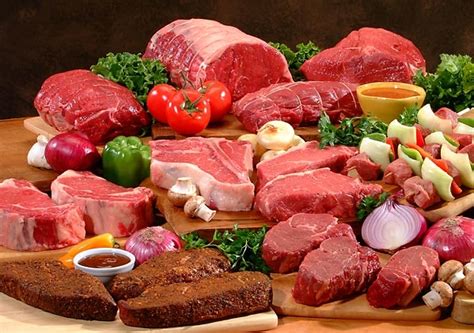
Hunger and satiety are complicated. We eat for some combination of three reasons. First of all, we need nutrients. Secondly, we need energy. And finally, eating is enjoyable! Let’s unpack each of these a little bit here and explore how we can manipulate these for greatest success.
Nutrient Hunger
Your body is the most complicated chemistry lab in the entire universe. Every second, there are trillions of chemical reactions taking place in your body. In order for all of this to function, you need a lot of STUFF. And except for air and water and sunlight, all this ‘stuff’ comes directly from your diet.
You need dozens of vitamins and minerals. You also need essential amino acids and essential fats from your diet. If you don’t get these, things are going to stop working. Your body gives you some hints when you are low on raw materials—but the main signal of hunger is a bit non-specific. We know from human and animal studies that if you have a specific dietary deficiency—protein or minerals, for example—you will be hungrier and more driven to eat. What your poor body doesn’t know is that most of the food in your environment is food-like garbage. So you eat and eat, but you might not get what your body is looking for. Non-protein ENERGY is everywhere —but protein and minerals are few and far between. So we are getting fatter in our ill-fated attempts to supply our bodies with the things they need.
Keeping hunger in control is paramount to a healthy metabolism. Target protein for maximum satiety.
Energy Hunger
The primary goal of your body is to keep your DNA alive long enough to pass it on to the next generation. To do this, it is imperative that you have plenty of extra energy around, just in case. So your body is trying to conserve the energy it has, while also looking to get more.
In today’s food environment, we are drowning in energy. In fact, our biggest current threat is the energy overload and energy toxicity that leads to obesity and the entire spectrum of chronic degenerative diseases. Sometimes we have difficulty distinguishing nutrient hunger from energy hunger. For this reason, your very best strategy is targeting NUTRIENTS first.
Eat protein and other nutrient-dense foods first. Once you can be sure that you have consumed adequate protein and minerals, and your nutrient hunger is satisfied, then you will be in a much better position to properly interpret energy hunger. Often times, if someone has plenty of extra fat to burn, they find that after eating protein and minerals they really don’t have any energy hunger.
Sometimes we also struggle to differentiate LOW GLYCOGEN hunger (lack of ‘fat adaptation’) from a true global low energy hunger. This is yet another reason to reduce your carbohydrate frequency, to improve fat adaptation. If you are ‘fat adapted’, and you target protein and minerals first, you find that you can get by with the very smallest amounts of non-protein energy (carbs and fats).
In practical terms, every meal should start with lean protein and low carb vegetables if possible. Energy can be added in if you still have leftover ‘energy hunger’. Don’t worry if you don’t have a really good idea of how this actually looks or feels! Many people are unfamiliar with these concepts and it takes some time to get used to them. Intermittent fasting and reduced carbohydrate frequency can be very helpful when it comes to getting in touch with all of the forms of hunger and fullness.
Food with no nutritional value will drive hunger and force you to add on superflous energy.
Hedonic Hunger
Eating high energy density carbs and fats together is rewarding and, for many, extremely addictive. Your best strategy is understanding what is going on with your biology when it comes to these foods. Lower energy carbs and fats together aren’t nearly as problematic. For example, imagine eating a steak and a salad. The steak has some fat, and the salad has some carbs. But the energy density of the steak is low thanks to protein, and the energy density of the salad is low thanks to fibre. As long as protein and fibre are present, you are probably fine. But mix together a high energy density carbohydrate, like a potato, with a high energy density fat, like oil? Now you have french fries or potato chips — these are hyper-palatable and you can overeat the hell out of these! Anything with high energy density carbs and fats together is going to be extremely tasty. You are definitely going to eat these foods, but treat them with the caution and respect they deserve.
How do you deal with these foods? Our favourite is eating these AFTER a nutritious meal of protein and veggies, so your nutrient hunger is taken care of and the danger factor is lower. Eat these foods with a lot of INTENTION and MINDFULNESS. Try not to buy these foods and have them in your house, but rather only eat these at social outings, and only buy one serving. Enjoy these cheats and don’t deprive yourself of these foods on occasion — but try to make these the exceptions to an otherwise nutrient-dense baseline diet.
Most of all, be hyperaware of what these foods are doing to you and how they are affecting your behaviour. Some highly addicted people find it best to avoid these completely, almost like an alcoholic who avoids alcohol 100% of the time. This is a legitimate strategy, and the only person who knows what works best for you is YOU.
Credit:
This article is an adapted extract from the book The P:E Diet by Ted Naiman and William Shewfelt. I highly recommend reading the book. You can purchase the book online at www.pedietbook.com
The purpose of inflammation in the body is treating threats as they arise, not on a permanent basis. Inflammation in a specific area or organ address one specific threat. Chronic inflammation, however, can lead to a vast array of further conditions over time. Your body turns on itself when in a constant state of inflammation. Although there are drugs to treat the illnesses associated with chronic inflammation. They cannot offer a cure because the core problem remains. When the core problem of chronic inflammation remains, you need more drugs to combat the condition. As you age you will need even more drugs to combat the side effects of the anti-inflammatory drugs. Chronic inflammation is recognised as a particularly dangerous threat to long-term health. It is a threat that needs to be dealt with at its root. It is a mechanism that we seek to address by eating a low carb diet. Directly and by reducing things associated with it, such as insulin resistance and leaky gut syndrome.
What is chronic inflammation?
Inflammation is one of your body’s healing processes. If you sprain your ankle or stub your toe, your body responds by increasing blood flow to the area. Providing more white blood cells and cellular “rebuilding materials”. As a result, it becomes swollen or inflamed. This process also disables movement in the area, offering protection and reminding you to look after it and let it heal. Now imagine if you stubbed your toe, but instead of leaving it to heal in its inflamed state, you stubbed it every third day for the rest of your life. In time you would develop chronic inflammation. Inflammation that persists for a long time or constantly recurring. If you first stubbed your toe when you were 20 years old and kept on bashing it for the next 30 years. Imagine the result of three decades of chronic inflammation on your fiftieth birthday. You may have had your toe amputated by then, or even your entire foot. Think of inflammation throughout the rest of the body as similar.
Intermittent fasting is the ultimate lifestyle hack to speed up weight loss and related good health. To maintain a consistent weight, you can not beat intermittent fasting as an effective tool. It can be wielded with great effect to give added punch to your weight loss and stabilise blood sugar. It can take a little getting used to, both physically and mentally, and you need to do it right for good results.
Say what?
If you grew up being told breakfast was the most important meal of the day and should never be missed, you may hesitate at the idea of fasting. And if you’ve ever been advised to snack regularly and stick to a strict meal plan – possibly including “mid-meals” – it may sound like heresy. It’s not. In days gone by, most of our ancestors ate only one meal a day without a problem, and it was unusual to “break the fast” in the morning. Ready access to cheap food has made eating a more regular occurrence. Big Food manufacturers push the idea that breakfast is the most important meal of the day and that you should include their high-carbohydrate, high-sugar cereals in yours… Give it a second’s thought and fasting makes perfect sense. You eat less food. Simple. Reduces your insulin levels, which encourages fat burning and a range of related health benefits. Every time you eat, your body produces insulin; the longer you don’t eat, the more time your insulin levels have to drop. Fasting accelerates weight loss. Increase metabolism and mental focus, and reduce the symptoms of, and in some cases reverse type-2 diabetes. For those who are insulin resistant and who may take 10 or 12 hours to use up their glycogen stores, fasting can be the tactic that finally sees them lower their insulin levels. Get into the fat-burning state and break a weight-loss plateau. It is also effective for those who aren’t following strict low-carb diets.
What are the benefits of intermittent fasting?
Lower blood-sugar
Lower insulin levels
Weight loss
Weight-loss plateau breaker
More energy
Improved digestion
Improved concentration
Reduced chronic inflammation
Possible cell-regeneration and anti-ageing effects
Convenient and inexpensive
The best advice
Don’t be scared of missing meals. There is a liberating element to fasting: you don’t have to prepare and eat a meal! Spend an extra 20 minutes in bed before going to work, skip lunch and go for a walk, work through lunch and leave early… But if you fast, best do it right. In which case, read on.
What can you eat or drink during a fast?
The point of a fast is to prevent the body from producing insulin, so eating is out. Water, tea, herbal teas and coffee are all fine and are in fact encouraged, especially to start, to get through the hunger pangs. But your tea and coffee must be black (and sugar- and sweetener-free). Bone broth is also recommended, especially during longer fasts, to replenish lost vitamins, minerals and salts.
Types of fasts?
Many ascetics have been known to fast for weeks or even months at a time – but relax, this is not what we recommend for you. We would only recommend doing a fast like that under close supervision. If you are starting out, you could fast for 12 or even 16 hours if that feels comfortable. This should allow insulin levels to drop to encourage fat-burning. There are some standard fasting regimes that folk in the fasting community use, which we have outlined below. Use one or more of four general fast durations.
16:8 FAST
Fast for 16 hours and eat in the eight-hour window that follows. This is easier than it sounds because the 16 hours also includes sleep. It means skipping breakfast and only eating two meals in a day. Can be done daily or as needed.
24-HOUR FAST
Fast for 24 hours. This would usually be from dinner until dinner, which means skipping two meals in a row. Can be done up to three times a week.
36-HOUR FAST
Fast for 36 hours. This fast usually incorporates two nights of sleep and a complete day without food. Use it once or, at most, twice a week.
5:2
Eat normally for five days of the week. And fast for any two days of the week. It advises a reduced calorie intake on fasting days; as such, it’s not strictly a fast and not necessarily low-carb, though we would recommend carb restrictions on those days.
Which fasting method is right for you?
Longer fasting methods generally work best for people with severe insulin resistance. If you are a type-2 diabetic, or pre-diabetic, you could consider up to three 24-hour fasts a week with the occasional 36-hour fast. On other days you could use the 16:8 fast. Shorter fasts are usually enough for those who don’t have a lot of weight to lose and for maintenance.
How do you get started?
Slowly. At first, fasting can be both a physiological and mental challenge as your body and mind adapt. In time, the hunger pangs become much easier to handle and often go unnoticed. Kick off with a 16:8 fast and see how your body responds to it. Some people find that once their fast is over they want to eat everything in sight, which obviously isn’t ideal. For your meals during this time make sure that you are eating enough fat to sustain you through the periods when you aren’t eating. Once you’ve mastered the 16:8 fast, you can try fasting for longer periods of time as you prefer or need.
How do you break a fast without overeating?
One of the temptations of intermittent fasting, especially when you’re starting out, is gorging when you’re done or “rewarding” yourself with poor food choices. In which case you’re doing it wrong and it rather defeats the object… Don’t use fasting – whether planned or unplanned – as an excuse to binge. Be prepared and keep a healthy snack on standby in case of an emergency. Break a fast with a bowl of broth, a handful of nuts or a piece of cheese half an hour before your next meal. Enough time for your snack to digest and prevent overeating.
Should you develop a fasting routine?
While it may be a good idea to break your fasts in a similar way each time to prevent overeating, we advise against developing a regular fasting routine. One of the apparent risks of fasting every day is that your body can adapt to this strategy by lowering your metabolism, the opposite of what you want it to do. To prevent this we recommend fasting randomly and out of sequence to keep the body guessing.
What are the potential side effects of fasting
A lack of salt and too much caffeine can cause dehydration. Drink enough non-caffeinated fluids to stay hydrated, and ensure you have enough salt, especially during long fasts. A by-product of dehydration.
Muscle cramps. Another potential problem due to dehydration and a shortage of salt. Bone broth with added salt is a good remedy if this is affecting you.
Yet another problem potentially exacerbated by dehydration. Avoid this while not fasting by upping your fibre and ensuring you’re eating vegetables with the skins still on, along with green leafy vegetables and healthy fats such as avocados, seeds, and nuts.
Who should NOT fast?
Intermittent fasting is not recommended for infants, growing children, pregnant/breastfeeding moms or anyone who suffers from a medical condition or is taking chronic medication that may be adversely affected by skipping meals. If you are unsure, check with your doctor.
We encourage you to follow your body’s cues to work out what dietary details affect you most. Sensitivity varies from individual to individual. Sugar, refined carbohydrates and gluten affect different people with varying degrees of toxicity. Other foods may have some positive attributes and some negative. It’s up to you to work out the specifics, with the three categories below deserving special mention.
DAIRY
Dairy has always been a bit of a troublemaker. Some diets reject it outright, but Low Carb generally embraces dairy because of its many potential positives. One cup of milk contains about a quarter of your daily needs of calcium, phosphorous and vitamins D and B2 (riboflavin). It also contains significant quantities of vitamin B12 and potassium.
The dairy endorsement does come with a qualification: certain people must steer clear. Dairy products have long been a complicated and controversial subject for dietitians. Cow’s milk is for calves, not for humans, and lactose intolerance is a common condition. Some populations in Europe developed an ability to break down lactose and enjoy the nutrients in milk. For those adapted to drinking milk, go for it. If you suffer from rashes, hives, bloating, constipation, asthma and other typical allergic responses to milk, then it’s best avoided. But there’s more to dairy than milk.
Fermented dairy
Fermentation of dairy breaks down lactose and various other complex proteins that are so bothersome to some. The food nutrients become accessible to most and are beneficial to your gut health, as well as providing excellent nutrition. The resulting foods can enrich your diet and enjoyment of food. Avoid processed dairy products. For example, the heat of pasteurisation kills both good and bad bacteria. Matured dairy products are generally more Low Carb-appropriate. So a commercial yoghurt is still high in carbs and should be eaten sparingly. Safer dairy products include milk and cottage, cream and soft cheeses. Harder cheeses, such as Parmigiano and pecorino, are preferred.
In summary, different people will react to dairy and should, watch how dairy affects them. If you’re unsure, drop dairy. Struggling to lose weight or break through a plateau, or if you suspect you may be lactose intolerant, forgo dairy and monitor the effects.
THE NIGHTSHADES
Tomatoes, potatoes, peppers, eggplant Nightshade plants belong to the Solanaceae family. These include tomatoes, tomatillos, white potatoes, chilli, paprika, cayenne pepper, sweet bell peppers and eggplant. Anecdotal evidence shows symptoms of nightshade sensitivity to include, among other things, muscle pain and tightness, morning stiffness, poor healing, arthritis, insomnia, gall-bladder problems, heartburn, constipation, headaches, nausea, bloating, flatulence, IBS, poor food absorption and osteoporosis.
You might imagine some of those symptoms after a night of serious chilli consumption but from a potato? A tomato? All living things on the planet have some sort of defence mechanism to protect them from predators and infection. Plants don’t have traditional fight-or-flight options. They have anti-nutrients. Anti-nutrients either prevent the nutrients in the plant from being absorbed in the gut or act as toxins against predators. The anti-nutrients, or alkaloids, in the nightshade family are mainly concentrated in the leaves, flowers and unripe fruits. They’re there to make potential predators feel unwell. Encouraging them to avoid eating the plant in the future.
For most healthy people nightshades don’t pose a problem because a healthy digestive tract prevents absorption of most of the alkaloids. But if you’re eating them every day – can cause a build-up of alkaloids that can take some time to be cleared. This build-up may have a detrimental effect on the body, especially during times of stress. Eating nightshades may create discomfort for those with already-compromised guts and immune systems. Existing autoimmune disease conditions are also at risk.
A diet high in sugar and refined carbs, especially gluten, seems to exacerbate the problem. This is thought to alter the gut to the point that it is unable to protect itself from these toxins. When included in a diet high in gluten, sugar and omega 6, potatoes may also have a significant inflammatory effect. If you’re suffering from any of the symptoms above or find you aren’t making progress, try cutting out the nightshades. Tips for eating nightshades (if you suspect you are sensitive):
Don’t eat green tomatoes or green or sprouting potatoes;
Peel your potatoes;
Only eat very ripe eggplants, and soak the slices in saltwater or layer them with salt for a couple of hours before cooking;
Avoid all processed nightshades, especially those that are deep-fried in seed oils.
ALCOHOL
Alcohol is something of a problem topic. We’re trying to promote health and well-being. Remember: alcohol is a toxin and it’s best avoided. Booze is also an important social component in many people’s lives and ignoring the matter may not be practical or helpful. So what responsible advice can we offer?
Pros and/or cons?
Moderate alcohol consumption – one drink a day for the average woman, two for the average man – may have some health benefits. So if you get it right you can take the edge off and potentially benefit health-wise. The science isn’t conclusive. The benefits may be associated with the type of person who’s got their act together to such a degree they can have one drink and then say no more. In contrast, heavy drinking brings with it a range of potential health problems. From sleep disruption and hangovers to liver disease and certain cancers. It impairs decision-making, encourages risky behaviour and packs on the weight. The guilt of a booze-broken diet is often enough to bring things crashing down to nothing. We discourage heavy drinking for all these reasons.
What to do?
First up, realise that drinking alcohol without compromising your health requires discipline. Alcohol is a toxin and alcoholic drinks are usually high in carbohydrates. Plus alcohol gets you drunk – and drunk people make bad decisions. When undertaking a major lifestyle overhaul, it’s best to make smart decisions with a clear head. So if you must drink, what should it be? Avoid normal beer, alcopops, cocktails and spirit mixers – which will stop any weight loss dead in its tracks. Beer is a minefield: you can drink a day’s allowance of carbs in one pint and it’s often far too tempting to have “just one more”. How many slim beer drinkers do you know?
From a carb-intake perspective, we recommend you stick to dry wines (lower sugar content), and clearer spirits such as gin and vodka. The problem with lite beers is they don’t taste great so what’s the point? And the problem with spirits is they’re often only palatable with a sugar-riddled mixer. Depending on your preferences, we recommend a glass of wine with dinner or a whisky or pot still brandy with water, soda, ice or neat. For many, they are the best practical options. Remember that you’re still consuming alcohol which is worse than any amount of nitrates in a sausage.
Note that when cooking with wine, the alcohol boils away but the carbs remain. From a socialising perspective, be mentally prepared when you go to dinners and parties where the drink is likely to flow. When you wing it, you tend to have that glass or three extra that you hoped not to. If you have a plan and a ready excuse – “I’m driving” is a good one – it’s much easier to make it through in good nick. The moral of the story: If you can, bin the booze when you want to achieve the best results If you want to keep alcohol in your life, make a conscious decision to minimise the toxins and minimise the carb intake. Never allow it to be an excuse to make bad diet and lifestyle decisions. In short, drink in moderation. And if you’re struggling to lose weight or break through a plateau, forgo alcohol and track the effects.
Our body’s energy metabolism exists in one of two states: we store fat, or we burn fat. What causes the body to switch from one state to the other? We are not quite sure, but a handy analogy is to think about the seasons we evolved with. There is a cold season (winter) and a warm season (summer). In winter, food is scarce and in summer, food, animal prey, is more plentiful. Plants also know that winter is coming on, and start to lay down stores, or make seeds. The energy storage medium for plants is in the form of carbohydrates (though nuts of course also contain oil), for animals and us, it’s fat. So, in spring, when animals come out of hibernation and feed on new shoots, their nutritional make-up is of protein and fat. It, thus, makes sense that we as humans would also want to go into fat storage mode ahead of winter, and be in fat-burning mode next spring and summer. The obvious trigger for which state to be in would be the availability of the different types of food. Fat is more plentiful in spring and summer (and even autumn). Carbohydrate (in pre-agricultural times) was associated with the autumn (fall) season when the fruit ripened on trees and tubers swelled below ground.
Eternal Autumn (Fall)
Humans adapted to this natural rhythm of storing fat for the winter. With the prevalence of natural carbs in autumn (fall) we fattened up for winter. You see, Carbs trigger insulin secretion which promotes fat storage. During winter, with no Carbs available our bodies burn away the fat as nature intended. Now, we are experiencing a Carb-rich Autumn 12 months of the year. Fruits are available the whole year, processed carbs are a part of our everyday diet. See the problem? Our bodies evolved to protect us against the natural cycle of the seasons. By mastering the art of agriculture, we have turned our bodies against us. We are storing fat for winter every day of our lives by eating Carbs. Restricting our carb intake is the only strategy to maintain a healthy metabolism. By restricting carbs we allow our bodies to burn fat – the fuel it prefers.
Burning Fat vs. Burning Carbs
Carbs and Fat can serve as sources of energy. You’ll get carbs for energy from blood glucose, a simple sugar, or stored glycogen. Glycogen is a large carb molecule made of hundreds of glucose units arranged in branched chains. Your muscles and liver keep a store of glycogen for almost-immediate energy. You start using glycogen for fuel as your muscles work hard — for example, during a workout. Your cells can also pull sugar from your bloodstream and convert it to usable energy. You can get energy from fat as well. After you eat a fatty meal, fat gets broken down into fatty acids, which get absorbed into your bloodstream and can be used for energy. Stored fat — like your body fat ― also serves as a source of fuel. When you need more energy than you get from your food, your fat cells start to break down and release fatty acids, which your other tissues use. As your stored fat cells release more and more fat, they get smaller — so you’ll lose weight and look leaner.
This website uses cookies to improve your experience. We'll assume you're ok with this, but you can opt-out if you wish. Cookie settingsACCEPT
Privacy & Cookies Policy
Privacy Overview
This website uses cookies to improve your experience while you navigate through the website. Out of these cookies, the cookies that are categorized as necessary are stored on your browser as they are essential for the working of basic functionalities of the website. We also use third-party cookies that help us analyze and understand how you use this website. These cookies will be stored in your browser only with your consent. You also have the option to opt-out of these cookies. But opting out of some of these cookies may have an effect on your browsing experience.
Necessary cookies are absolutely essential for the website to function properly. This category only includes cookies that ensures basic functionalities and security features of the website. These cookies do not store any personal information.
Any cookies that may not be particularly necessary for the website to function and is used specifically to collect user personal data via analytics, ads, other embedded contents are termed as non-necessary cookies. It is mandatory to procure user consent prior to running these cookies on your website.