Easy Weight Loss, Fasting, Inflammation, Low Carb, Obesity, What To Eat
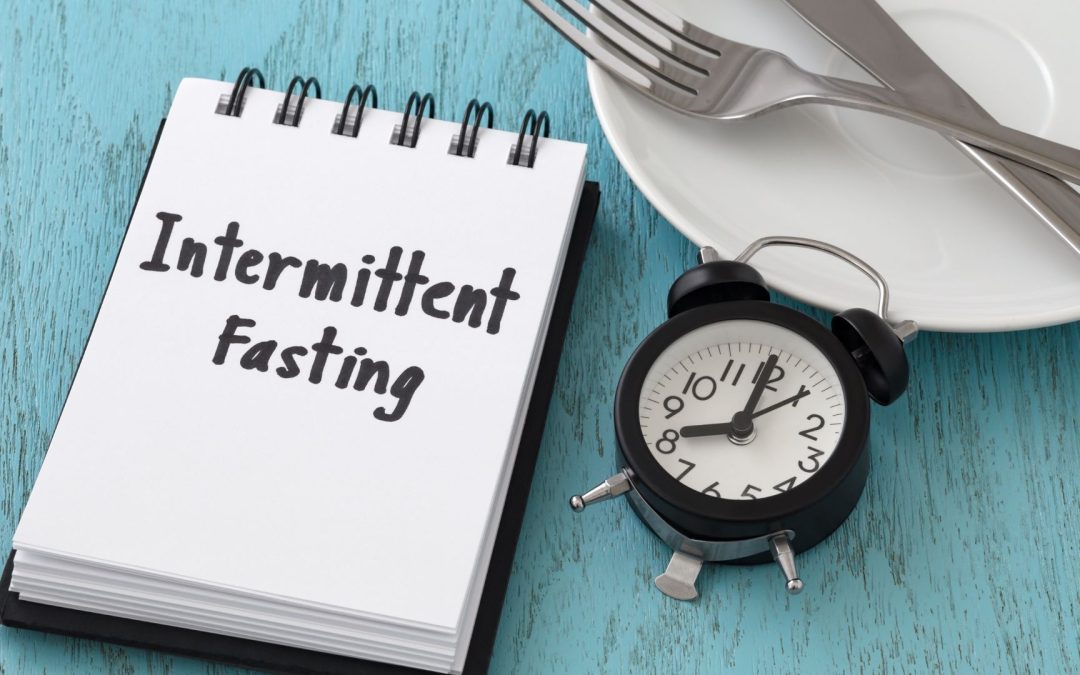
Intermittent fasting (IF) is an eating pattern that cycles between periods of fasting and eating.
It doesn’t specify which foods you should eat but rather when you should eat them.
In this respect, it’s not a diet in the conventional sense but more described as an eating pattern.
Common intermittent fasting methods involve daily 16-hour fasts or fasting for 24 hours, twice per week.
Fasting has been a practice throughout human evolution. Ancient hunter-gatherers didn’t have supermarkets, refrigerators, or food available year-round. Sometimes they couldn’t find anything to eat.
As a result, humans evolved to be able to function without food for extended periods of time.
In fact, fasting from time to time is more natural than always eating 3–4 (or more) meals per day.
Fasting is also often done for religious or spiritual reasons.
Types of Intermittent Fasting
Drink only water, coffee, tea, and other calorie-free beverages. No solid foods or calorie-containing drinks are permitted.
For example, if you finish dinner at 7 p.m. Monday and don’t eat again until 7 p.m. Tuesday, you’ve completed a 24-hour fast. Some people choose to fast from breakfast to breakfast or lunch to lunch. But which time frame works best depends on the individual.
A full 24-hour fast every other day can seem extreme and may be difficult for many people to maintain. It’s usually not recommended for beginners. But, you don’t have to go all in right away. Many intermittent fasting routines start with shorter fasting periods.
Here are 5 of the most popular eating patterns for adding intermittent fasting to your diet:
- Time-restricted eating. Involves fasting every day for 12 hours or longer and eating in the remaining hours. A popular example is the 16/8 method. It features a daily 16-hour fast and an 8-hour eating window wherein you can fit in 2, 3, or more meals.
- The 5:2 diet. The 5:2 diet involves eating as you normally do, five days a week. Restrict your calorie intake to 500–600 on the remaining two days.
- Eat Stop Eat. Eat Stop Eat involves a 24-hour fast once or twice per week.
- The Warrior Diet. The Warrior Diet was among the first popular diets to include a form of intermittent fasting. Eat small amounts of raw fruits and vegetables during the day and eat one large meal at night.
Pros and Cons of Intermittent Fasting
Some studies suggest that alternate-day fasting is about as effective as a typical low-calorie diet for weight loss. That seems reasonable because reducing the number of calories you eat should help you lose weight.
Can intermittent fasting improve your health? Losing weight and being active help lower your risk of obesity-related diseases. Such as diabetes, sleep apnea, and some types of cancer. For these diseases, intermittent fasting seems to be about as beneficial as any other type of diet that reduces calories.
Some research suggests that intermittent fasting may improve conditions associated with inflammation:
- Alzheimer’s disease
- Arthritis
- Asthma
- Multiple Sclerosis
- Stroke
Implement intermittent fasting with caution. Side effects may include:
- Hunger
- Fatigue
- Insomnia
- Nausea
- Headaches
To avoid these side effects, eat nutrient-dense food during the eating windows.
Intermittent fasting is safe for many people, but it’s not for everyone. Skipping meals may not be the best way to manage your weight if you’re pregnant or breastfeeding.
Talk to your doctor if you have kidney stones, gastroesophageal reflux, diabetes, or other medical problems.
What food goes best with IF?
One nonrandomized trial showed improved weight loss, blood sugar, and lipids with as little as 14 hours of daily fasting. With no change in the participants’ baseline diet.
That may not mean people can eat whatever they want during the eating window.
In our experience, people have more success with intermittent fasting when eating low-carb.
There is currently insufficient evidence that pairing one type of diet with IF is superior to another.
Motivation
Healthier habits. Do you ever find yourself feeling like you’re just not trying hard enough? When it comes to personal health, it can be all too easy to have a “what’s the point” mindset. But while this mindset might feel like it’s giving up, it can actually be making things harder. In this article, we’ll explore how to change your mindset and make it easier for yourself to implement better healthier habits!
Recognize
The first step to implementing better, healthier habits is recognizing that you need to make a change. This can be difficult, but it is important to take an honest look at your current habits and decide if they are really what you want for your life. If you are not happy with your current habits, then it is time to make a change.
Once you have decided that you want to make a change, the next step is to figure out what sort of change you want to make. Do you want to eat healthier? Exercise more? Spend less time on your phone? It is important to be specific when setting goals for yourself. Vague goals are more difficult to achieve than specific ones.
After you have decided what sort of change you want to make, the next step is to create a plan for how you will achieve your goal. This plan should be specific and realistic. For example, if your goal is to eat healthier, your plan might involve eating three meals a day and including vegetables and fruits at every meal.
The final step is to implement your plan and stick with it. This can be difficult, but it is important to be persistent. Remember why you decided to make a change in the first place
Identify the Root of the Habit
If you want to implement a new, healthier habit, it’s important to identify the root of the habit. Why do you want to change this particular behavior? What are the benefits of doing so? Once you’ve identified the reasons for wanting to make a change, you’ll be more likely to stick with it.
It can also be helpful to set a specific goal. Rather than simply saying you want to eat healthier, decide that you will eat three servings of vegetables every day. Or, if you want to start exercising more, commit to going to the gym three times a week. Having a specific goal makes it easier to track your progress and see results.
It’s also important to create a plan for how you will implement the new habit. Will you do it all at once or gradually? What kind of support do you need? If you’re trying to eat healthier, for example, you may need to stock your kitchen with healthy food options. If you’re trying to exercise more, you may need to join a gym or buy some new workout clothes. By planning ahead, you can make it more likely that you will succeed in making the change.
Change Your Environment
One of the best ways to implement better, healthier habits is to change your environment. If your current environment is not conducive to healthy habits, make some changes. For example, if you have a lot of unhealthy food in your house, get rid of it. If you don’t have any healthy food options nearby, find a place that does.
Another way to change your environment is to change the people you spend time with. If you’re hanging out with people who don’t support your healthy lifestyle, find new friends who do. Spending time with people who live healthy lifestyles will help you stay on track.
Making even small changes to your environment can make a big difference in your ability to implement better, healthier habits.
Planning Ahead
1. Planning Ahead
One of the best ways to implement better, healthier habits is to plan ahead. This means taking the time to think about what you want to achieve and making a plan for how you will do it. For example, if you want to eat healthier, you could plan out your meals for the week and make sure you have healthy ingredients on hand. If you want to exercise more, you could schedule time for workouts in your week and set goals for yourself.
2. Making Small Changes
Another good tip for implementing better, healthier habits is to make small changes rather than trying to overhaul everything at once. For example, if you want to eat healthier, you could start by adding more fruits and vegetables to your diet instead of completely cutting out unhealthy foods. If you want to exercise more, you could start by adding a few extra minutes of activity to your day instead of going from zero to 60 overnight. Small changes are more manageable and less overwhelming, which makes them more likely to stick.
3. Getting Support
Finally, another good tip for implementing better, healthier habits is to get support from family and friends. This can be a great way to stay accountable and motivated. For example
Reward Yourself
If you want to stick to a new habit, it can be helpful to reward yourself for your successes. For instance, if you’re trying to eat healthier, you could give yourself a small treat every time you eat a nutritious meal or avoid unhealthy snacks. This will help to reinforce the new behavior and make it more likely that you’ll stick with it in the long run.
Of course, it’s important not to go overboard with the rewards. If you’re trying to lose weight, for example, rewarding yourself with food is probably not the best idea. Instead, try something like giving yourself a small amount of extra free time to do something you enjoy. This will help you stay motivated without undoing all of your hard work.
Ultimately, the key is to find a reward system that works for you. By taking the time to do this, you’ll be more likely to stick to your new habit and achieve your goals.
Recommended reading: Atomic Habits by James Clear
Insulin
The control of insulin is central to what I profess at 16-hrs For Life. Our aim is to turn every person into a fat burner by restricting carbohydrate intake. We can only minimize levels of insulin (the fat blocker) by decreasing our carb intake.
The benefits of a low carb approach to nutrition are many:
- Weight loss
- An increase in sustained daily energy
- Lower blood glucose levels and a
- The decrease in blood pressure
- Improved gut health
We achieve these benefits by controlling insulin levels by restricting carbohydrate intake.
Arterial Insulin Resistance?
Losing control over our blood glucose levels leads to type 2 diabetes for most people. Being diagnosed with type 2 diabetes puts a person at risk for:
- High Blood Pressure
- Cardio Vascular Disease
- Amputations
- Blindness
…and more
The diseases listed are all forms of arterial disease. So what causes the deterioration of our arterial health?
It seems INSULIN has a role to play. According to Science Daily, the impact of our blood vessel response to insulin is crucial. In studies done on mice, it seems blood vessels with a lower response to insulin were also prone to disease.
“The results provide definitive evidence that loss of insulin signalling in the endothelium, in the absence of competing systemic risk factors, accelerates atherosclerosis,” the researchers conclude.
The loss of signalling ability in our arteries is a type of insulin resistance. Insulin resistance in our livers, muscle and fat is well known by doctors and researchers. Arterial Insulin resistance is less well understood.
Protect your arteries
Protecting your arteries against disease is of vital importance to your health. As seen earlier, the diseases associated with unhealthy arteries are life-threatening.
The answer to healthy arteries is complicated. I do not profess to have the complete answer to healthy arteries. But there are actions you can take to protect your arteries.
Studies have shown insulin resistance appears when cells are overexposed to insulin. Give yourself the best possible chance of improving your arterial health. Decrease your carb intake to decrease insulin levels. Your arteries should, in time respond better to insulin signalling.
Improved insulin signalling will improve manifestations of arterial disease.