Current medical thinking is emphasising the importance of the gut (intestines). There are links between digestion, mood, and health. The majority of people who are overweight and insulin-resistant, also have poor gut health. The gut is a place of complex interaction between nerve signals, hormones, and the microbiota. Upset it and the consequences can be disastrous.
Small Intestines
The small intestine handles around 95 % of the digestion and absorption of the food we eat. The intestines consist of internal folds. It is layered with minuscule protrusions to maximise its surface area. Increasing availability for absorption and digestion. The total surface area of the gut is anywhere from the size of a badminton court to the size of a tennis court! Exposed to both the nutritious and harmful things we consume, is this surface area.
Gut Flora
Key to the effective and healthy functioning of the small intestine is the symbiotic relationship it enjoys with our gut flora. The gut flora lines the intestinal wall. By the trillions, they form a vital living interface between the digesting food on the inside and the intestinal wall on the outside. Gut flora also manufactures vitamins B and K and act as an organ of the body. Gut flora releases hormones into the bloodstream.
Hormones interact with the brain and signal the body to change its behaviour responding to changes in its environment. Irritable bowel syndrome (IBS), constipation and bloating are now thought to affect our mood. Major emotional shifts and even anxiety and depression can, in turn, affect the gut. Our gut flora also plays an important hand in managing the body’s metabolism. It forms part of the body’s immune system by making antigens from harmful bacteria that the immune system can use to ward off disease.
How do I support my gut?
Regardless of what diet you eat, it is critical that it should take into account the healthy development and maintenance of your gut flora. A fluctuating diet, the excessive use of antibiotics or the infestation of harmful bacteria, can compromise this vital organ. Rebuilding and supporting the gut flora should be regarded as a foundational step to metabolic health and is, thus, a vital part of any diet.
The control of insulin is central to what I profess at 16-hrs For Life. Our aim is to turn every person into a fat burner by restricting carbohydrate intake. We can only minimize levels of insulin (the fat blocker) by decreasing our carb intake.
The benefits of a low carb approach to nutrition are many:
Weight loss
An increase in sustained daily energy
Lower blood glucose levels and a
The decrease in blood pressure
Improved gut health
We achieve these benefits by controlling insulin levels by restricting carbohydrate intake.
Arterial Insulin Resistance?
Losing control over our blood glucose levels leads to type 2 diabetes for most people. Being diagnosed with type 2 diabetes puts a person at risk for:
The diseases listed are all forms of arterial disease. So what causes the deterioration of our arterial health? It seems INSULIN has a role to play. According to Science Daily, the impact of our blood vessel response to insulin is crucial. In studies done on mice, it seems blood vessels with a lower response to insulin were also prone to disease.
“The results provide definitive evidence that loss of insulin signalling in the endothelium, in the absence of competing systemic risk factors, accelerates atherosclerosis,” the researchers conclude.
The loss of signalling ability in our arteries is a type of insulin resistance. Insulin resistance in our livers, muscle and fat is well known by doctors and researchers. Arterial Insulin resistance is less well understood.
Protect your arteries
Protecting your arteries against disease is of vital importance to your health. As seen earlier, the diseases associated with unhealthy arteries are life-threatening. The answer to healthy arteries is complicated. I do not profess to have the complete answer to healthy arteries. But there are actions you can take to protect your arteries. Studies have shown insulin resistance appears when cells are overexposed to insulin. Give yourself the best possible chance of improving your arterial health. Decrease your carb intake to decrease insulin levels. Your arteries should, in time respond better to insulin signalling. Improved insulin signalling will improve manifestations of arterial disease.
We have all heard of Insulin, especially if you know of someone with diabetes. The wonder drug that will keep you from dying if you are diabetic. But how does insulin work? What exactly is insulin? Why does it matter to know?
I am not a medically qualified person, nor do I profess to know everything there is to know about insulin, insulin spikes, diabetes, nutrition or the hormonal processes in our bodies. What I do understand is I can learn a lot by having a healthy curiosity. Our world is full of information about any subject you can think of. I happen to be very interested in the way insulin acts.
What does insulin do?
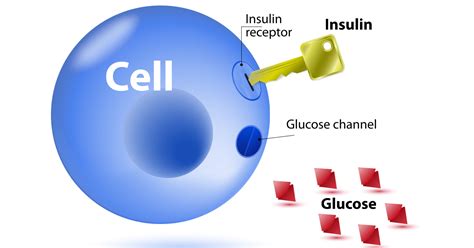
Insulin is a hormone secreted by cells in your pancreas. The secretion is triggered by the presence of glucose in your body. Too much glucose and the pancreas secretes the correct dose of insulin to maintain a healthy level of glucose in your bloodstream. By the way, a healthy level of glucose in your bloodstream is about four grams, one teaspoon full of glucose in your bloodstream.
Your body needs to burn the glucose as quickly as possible and insulin is the lock that opens your cells glucose channel so that your cells in your body can burn the glucose. The control of glucose levels in your bloodstream is vitally important to your health.
The other effect insulin has on your body is that it facilitates the storage of fat. The knock-on effect of this fat storage means that you cannot access existing fat storage for your body to burn.
Yes, if you are trying to lose weight, you will be unable to do so effectively while consuming Carbohydrates. Carbohydrates are converted to glucose in your bloodstream, which in turn, elicits an insulin response from your pancreas. The insulin keeps you from having access to your fat stores to burn fat and lose weight.
Stop insulin spikes?
Manage the levels of insulin in your blood as best you can. We all want to have a lean, healthy body. For us to be able to achieve this, we need to have access to our fat stores to burn. The only way to get access to our fat stores is to keep our insulin levels low. The only way to keep our insulin levels low is to restrict the consumption of the food that triggers insulin. Carbohydrates have by far the biggest impact on insulin response in our body. Carbohydrates are a non-essential nutrient. Logic then dictates that we should avoid carbohydrates to avoid insulin spikes. Without insulin spikes, we can access our fat storage to burn and thereby lose weight.
So what do you do when you need to add insulin to your body if your pancreas has stopped working and not producing insulin. Well, a very well documented and proven strategy is to cut carbohydrates right down, which leads to a lower requirement of insulin. Many people were able to stop taking insulin as a medication based on the restriction of carbohydrates. Speak to your doctor if you are on insulin medication and you are thinking of cutting your carbohydrates.
How reliant are we on sugar to sustain a healthy body? Before we can answer this question, it’s important to note what nutrients our body needs and what role sugar plays in this regard.
Macronutrients (Protein, Fat, Carbohydrates)
Everything we eat is broken down into amino acids, fatty acids, and glucose. Whether you eat beefsteak, a breakfast cereal, a cucumber or drink a coke, it all ends up as one or a combination of those three elements that fuels and builds your body.
Amino acids come from PROTEIN and they are needed for vital processes like the building of proteins and synthesis of hormones and neurotransmitters. One of the 20 amino acids – leucine – can be converted to glucose.
Fatty acids are the basic elements of FAT. Your body needs these different types of fatty acids as they provide energy, make up the cell membranes, help absorb certain vitamins and minerals, and even produce important hormones. Excess fatty acids form triglycerides and are stored as fat.
Glucose is the most basic element of CARBOHYDRATES. Carbohydrates come in three different forms. Sugars, starches, and fibre. Fibre is not converted to glucose but stays mostly in its original form as it passes through our intestinal tract.
Starches and sugars are broken down into its basic building block which is glucose.
Of these three elements, PROTEIN, FAT and CARBOHYDRATES, only protein and fat are essential nutrients. Essential nutrients are nutrients your body can not be without and you have to eat the nutrients as your body can not manufacture it. Your body can make the sugar it needs from protein and fat if no carbohydrates are fed to your system. Therefore sugar (glucose) is a non-essential nutrient.
Sources of glucose (sugar)
Complex carbohydrates (potatoes, rice, pasta, bread) and simple carbohydrates (fruit, honey, dairy, syrup) of which simple carbohydrates are the easiest to be absorbed by your body.
High Fructose Corn Syrup (HFCS) is glucose derived from corn, some of which is converted to fructose via enzymes. The resulting mix of glucose and fructose is very sweet and preferred by the food industry as an additive to highly processed foods, as it is cheaper than cane sugar (Sucrose).
The vast majority of highly processed foods contain HFCS. It is hidden in everything we eat. Certainly, most packaged foods have HFCS added to enhance the flavor of the food. As most fat is stripped from highly processed food, sugar is added to enhance the taste.
How much glucose do we need?
It is estimated the average adult has five litres of blood in their body. Your body needs one teaspoonful of glucose circulating in the body and about 500g of stored glycogen in your liver and muscles combined. To delete the stores of glycogen in the muscles, one has to do very vigorous exercise and to deplete the stores of glycogen in the liver, one has to fast for about 24 hrs. So for the average person, these glycogen stores are quite safe from depletion.
The blood glucose level is regulated by the pancreas by secreting the hormones insulin and glucagon if the blood glucose is too high or secreting glucagon too low.
When our glycogen stores are full and we have our teaspoon of glucose in our bloodstream, we get rid of excess glucose by burning what we can and the rest get converted to triglycerides and stored as fat.
Sugar facts:
Sugar has no nutritional value, sugar is purely a form of energy.
Sugar is not your body’s preferred fuel
We have been told that sugar (glucose) is our body’s preferred fuel. This simply is not true. Your body burns fuel in the following order of preference. Alcohol, Glucose, Fat. Our modern diet is constantly feeding our bodies glucose, so we never get to burn our fat as a preferred source of fuel. Once we restrict our sugar intake our bodies will turn to burning the cleanest fuel source and that is fat. Glucose is useful to burn when we need bursts of energy and that is the reason why we store glycogen in our muscles and liver.
Sugar is addictive
Our brain responds to sugar the same way as it would respond to frowned-upon drugs like cocaine. We get addicted to the dopamine response and our brains and bodies crave this. We develop a need to consume sugar in bigger and bigger quantities outside of the normal hunger response causing us to consume more sugar than we actually need. The additional sugar is converted to glucose which is ultimately stored as fat.
Sugar promotes the growth of harmful bacteria in your gut and stunts the growth of the bacteria we rely on to be healthy. The imbalance of good vs bad bacteria is increasingly being recognized as being associated with our overconsumption of sugar.
Sugar causes chronic inflammation
A healthy inflammatory response is required as our bodies use this to mobilize its immune response and healing protocols for a variety of threatening conditions inside our bodies. When the body has an inflammatory response and the inflammation dies down because the threat has been neutralized, we have a healthy system.
When we are consistently injecting an oversupply of sugar into our bloodstream, the body defense mechanism goes into constant overdrive as our protective inflammatory response is continuously activated. This leads to many chronic ailments including autoimmune response, allergies, arterial disease, etc. as the overstimulation of our immunity systems start working against us.
The system of signalling between your gut and brain is your appestat. When not confronted with addictive brain response and the lack of nutrients as experienced by a high sugar diet, your body regulates hunger precisely via your appestat. Just as you would regulate your body temperature, your brain will signal you when hungry. Introduce high energy low nutrient density food (highly processed sugary food) your body keeps telling you to eat more as it only signals you to stop eating when you have had enough essential nutrients. In the process, you are eating high levels of pure energy in an attempt to get some nutrients into your body.
Why eat SUGAR?
Sugar is shown to be inflammatory, without any nutritional value, not your preferred source of fuel, nurtures an addictive relationship with food, harms your gut health and interferes with your appestat. Obesity, Type 2 diabetes, auto-immune diseases, chronic inflammatory disease and many more are closely associated with the consumption of sugar.
It does all of this without giving you any benefit whatsoever, indeed, sugar is a non-essential nutrient. You can happily stop eating all forms of sugar today and you will adapt to burn fat and your liver will start making the little glucose you need for some metabolic functions.
There are many different types of carbohydrate-containing foods, and they vary greatly in their health effects.
Although carbs are often referred to as “simple” vs “complex,” I personally find “whole” vs “refined” to make more sense.
Whole carbs are unprocessed and contain the fiber found naturally in the food, while refined carbs have been processed and had the natural fiber stripped out.
Examples of whole carbs include some vegetables, whole fruit, legumes, potatoes, and whole grains. These foods are generally healthy.
On the other hand, refined carbs include sugar-sweetened beverages, fruit juices, pastries, white bread, white pasta, white rice, and others.
Numerous studies show that refined carbohydrate consumption is associated with health problems like obesity and type 2 diabetes. They tend to cause major spikes in blood sugar levels, which leads to a subsequent crash that can trigger hunger and cravings for more high-carb foods.
This is the “blood sugar roller coaster” that many people are familiar with.
Refined carbohydrate foods are usually also lacking in essential nutrients. In other words, they are “empty” calories.
The added sugars are another story altogether, they are the absolute worst carbohydrates and linked to all sorts of chronic diseases.
This website uses cookies to improve your experience. We'll assume you're ok with this, but you can opt-out if you wish. Cookie settingsACCEPT
Privacy & Cookies Policy
Privacy Overview
This website uses cookies to improve your experience while you navigate through the website. Out of these cookies, the cookies that are categorized as necessary are stored on your browser as they are essential for the working of basic functionalities of the website. We also use third-party cookies that help us analyze and understand how you use this website. These cookies will be stored in your browser only with your consent. You also have the option to opt-out of these cookies. But opting out of some of these cookies may have an effect on your browsing experience.
Necessary cookies are absolutely essential for the website to function properly. This category only includes cookies that ensures basic functionalities and security features of the website. These cookies do not store any personal information.
Any cookies that may not be particularly necessary for the website to function and is used specifically to collect user personal data via analytics, ads, other embedded contents are termed as non-necessary cookies. It is mandatory to procure user consent prior to running these cookies on your website.